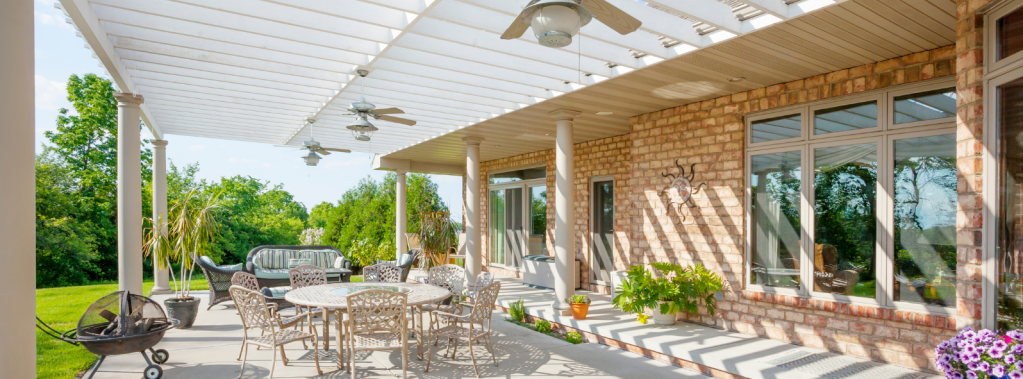
Concrete is known for its strength and durability, making it a popular choice for patios, driveways, garage floors, and more. However, even concrete is not invincible—without proper protection, it can be prone to damage from weather, chemicals, and wear over time. This is where sealing comes in. Sealing your concrete not only protects it from the elements but also enhances its appearance and extends its lifespan.
In this blog post, we’ll dive into the reasons why sealing your concrete is crucial and how often it should be done to keep your surfaces in the best possible condition.
Why Should You Seal Your Concrete?
- Protection from the Elements
- Concrete is porous, which means it absorbs water. Over time, this moisture can cause cracking, spalling, or erosion, especially in areas prone to freeze-thaw cycles. Sealing the surface creates a barrier that prevents water from penetrating, reducing the likelihood of damage.
- Resistance to Stains and Chemicals
- Everyday substances like oil, grease, de-icing salts, and chemicals can easily stain or degrade untreated concrete. A sealant acts as a protective layer that helps repel these substances, keeping your concrete looking clean and maintaining its integrity.
- Enhanced Durability
- Sealing your concrete adds a layer of durability that helps prevent surface wear and damage. This is particularly important for driveways and garage floors, which endure heavy vehicles and foot traffic, as well as patios and walkways that are exposed to outdoor elements.
- Improved Aesthetic Appeal
- Sealants can enhance the natural look of concrete by giving it a polished, glossy finish or by intensifying its color. If you have decorative or stamped concrete, sealing helps maintain its visual appeal while protecting against fading and discoloration.
- Preventing Mold and Mildew Growth
- Since sealed concrete is less absorbent, it’s less likely to trap water that could lead to mold or mildew growth, especially in shaded or damp areas like basements and patios.
How Often Should You Seal Your Concrete?
The frequency of sealing your concrete depends on several factors, including the type of concrete, the amount of traffic it endures, and the weather conditions in your area. Here are some general guidelines:
- Exterior Concrete Surfaces (Driveways, Walkways, Patios)
- Typically, exterior concrete surfaces should be sealed every 2 to 3 years. These surfaces are exposed to harsh weather conditions, UV rays, and foot or vehicle traffic, making regular sealing essential to maintaining their appearance and structural integrity.
- Garage Floors
- Garage floors that endure heavy use and exposure to chemicals, oil, and other spills should be sealed every 1 to 2 years. The protective coating helps prevent stains, cracking, and other forms of damage that can occur in high-use areas.
- Decorative Concrete (Stamped, Colored, or Stained)
- Decorative concrete should be sealed more frequently, usually every 1 to 2 years. Sealants help maintain the vibrant colors and unique designs, preventing fading and surface wear over time.
- High-Traffic Areas
- If your concrete is in a high-traffic area, it may require more frequent sealing. This includes commercial spaces or areas with heavy foot traffic, which should be assessed annually to determine if resealing is needed.
Signs That Your Concrete Needs Resealing
If you’re unsure whether it’s time to reseal your concrete, look for these signs:
- Water Absorption: Pour a small amount of water onto the surface. If the water is absorbed rather than beading up, it’s time to reseal.
- Fading or Discoloration: If your decorative concrete is looking dull or discolored, sealing will help restore its vibrancy.
- Visible Wear or Damage: Cracks, surface wear, or signs of erosion indicate that the concrete is no longer protected and needs resealing.
How to Seal Your Concrete
If you decide to seal your concrete, you can either do it yourself or hire a professional for the best results. Here’s a quick overview of the sealing process:
- Clean the Surface: Start by thoroughly cleaning the concrete to remove any dirt, oil, or debris. This ensures that the sealer adheres properly to the surface.
- Repair Cracks and Damage: Fill any cracks or repair damage before applying the sealer. This will ensure a smooth, even application.
- Apply the Sealer: Use a roller or sprayer to apply the sealer evenly across the concrete surface. Be sure to follow the manufacturer’s instructions for drying times and application rates.
- Allow to Cure: Let the sealer dry completely before allowing any foot or vehicle traffic on the surface. This can take anywhere from 24 to 48 hours, depending on the product used and weather conditions.
Sealing your concrete is one of the best ways to protect your investment and ensure its longevity. From preventing cracks and stains to enhancing its appearance, a good sealer is essential for keeping your concrete in top shape. By sealing your concrete every 1 to 3 years, depending on usage and exposure, you’ll enjoy beautiful, durable surfaces for years to come.
If you need help with sealing or maintaining your concrete, Select Flooring Systems is here to assist. Our team of experts can guide you through the process, ensuring your concrete stays strong, protected, and looking its best.


 SELECT FLOORING SYSTEMS
Leave a comment