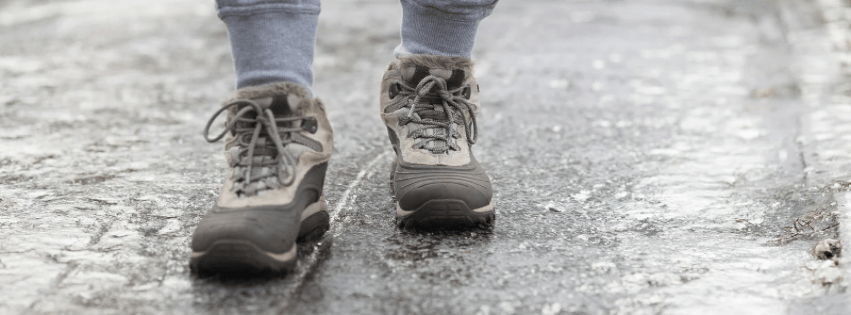
If you’ve spent a winter in Ohio, you know how unpredictable the weather can be. One day is mild, the next day drops below freezing and sometimes the temperature swings happen within hours. While we tend to think about how this affects roads and driveways, your indoor and outdoor concrete floors experience the same stress.
Freeze–thaw cycles are one of the primary reasons concrete cracks, spalls, or begins to deteriorate prematurely. Understanding how this process works helps homeowners and businesses protect their investment and plan for long-lasting flooring solutions.
What Exactly Is a Freeze–Thaw Cycle?
Concrete is a porous material. Even when it looks smooth, microscopic openings allow water to seep in. When temperatures drop below freezing:
- Water inside the pores expands
- Expansion puts pressure on the concrete
- Repeated cycles weaken the surface and create cracks
In Ohio, these cycles happen dozens of times every winter which means untreated or unprotected concrete slowly breaks down over time.
Common Signs of Freeze–Thaw Damage
You may notice issues like:
- Flaking or peeling surface layers
- Widening cracks
- Pitting or crater-like holes
- Salt damage from road treatments
- Moisture soaking into the slab instead of beading up
If left untreated, this damage worsens and eventually affects the structural integrity of the slab.
How Professional Coatings Protect Your Concrete
The most effective way to defend your floors from Ohio winters is with a high-performance coating system. At Select Flooring Systems, we use epoxy, polyurea, and polyaspartic coatings designed to:
- Seal the concrete surface
- Prevent moisture absorption
- Resist salt and chemical corrosion
- Flex with temperature changes
- Improve durability and longevity
These coatings create a barrier between your concrete and the elements stopping freeze–thaw damage before it begins.
Why Timing Matters: Winter Is the Best Time for Planning Repairs
While coatings are typically installed during warmer months, winter is the ideal time to:
- Schedule inspections
- Identify early signs of damage
- Plan spring coating or repair projects
- Prevent ongoing deterioration
Ignoring winter damage usually results in more extensive repairs later including grinding, resurfacing, or full slab replacement.
Commercial Properties Face Additional Winter Challenges
Businesses throughout the Miami Valley often experience accelerated freeze–thaw damage because of:
- High foot traffic
- Vehicle traffic
- Heavy salt exposure
- Temperature changes between indoors and outdoors
For commercial facilities, coatings also provide additional benefits such as slip resistance, easy cleaning, and improved safety.
How Select Flooring Systems Helps Protect Your Investment
Our team evaluates your concrete based on:
- Moisture content
- Existing cracks or spalling
- Age of the slab
- Salt or chemical exposure
- Whether the area is heated or unheated
From there, we recommend the best solution whether that’s repair, surface prep, sealing, or a full coating system.
Winter Damage Doesn’t Have to Define Your Floors
Ohio winters are tough, but your concrete doesn’t have to suffer. With the right protection, your floors can remain strong, safe, and beautiful year-round.
If you’re noticing cracking, flaking, or uneven surfaces, now is the perfect time to schedule an evaluation.
Request a quote online or call 937-323-5667.


 SELECT FLOORING SYSTEMS
Leave a comment