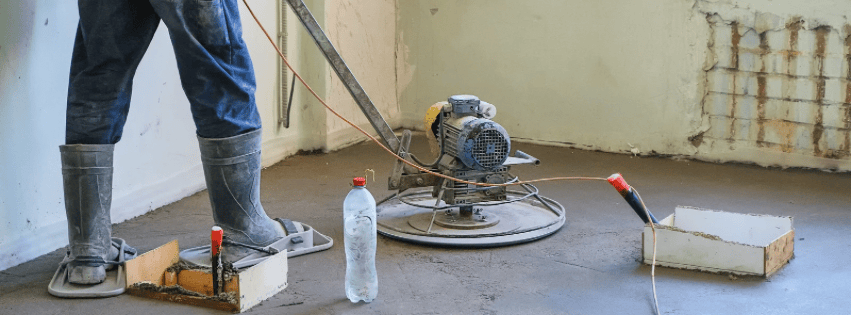
A beautiful concrete coating starts with a solid foundation. While many people focus on selecting colors, finishes, and coating systems, the condition of the concrete itself plays a major role in the final result.
Surface imperfections can affect both the appearance and performance of a finished floor. Understanding these issues and how professionals address them helps ensure a smoother installation process and a better long-term outcome.
Let’s take a look at some common concrete imperfections and how they are corrected before coatings are applied.
Why Surface Preparation Matters
Concrete coatings are designed to bond directly to the slab beneath them. If the surface contains defects, those issues can impact:
- Adhesion
- Durability
- Appearance
- Longevity
Professional preparation helps create the ideal surface for successful coating installation.
Common Surface Imperfections Found in Concrete
Cracks
Concrete naturally expands and contracts over time, which can lead to cracking.
Some cracks are purely cosmetic, while others may indicate more significant movement or structural concerns.
Pitting and Spalling
Surface pitting and spalling occur when small portions of concrete break away.
These issues are often caused by:
- Moisture exposure
- Freeze-thaw cycles
- Salt damage
- Wear over time
Uneven Surfaces
Settlement, previous repairs, and construction inconsistencies can create uneven areas that impact the finished appearance of the floor.
Surface Contamination
Oil, grease, sealers, and other contaminants can interfere with coating adhesion if not properly removed.
How Imperfections Affect the Final Floor
Without proper repair, imperfections can create several problems.
Visible Defects
Certain flaws may remain noticeable even after a coating is applied.
Reduced Adhesion
Damaged or contaminated surfaces can prevent coatings from bonding properly.
Premature Wear
Weak areas in the slab may contribute to faster deterioration of the finished system.
Moisture-Related Problems
Cracks and damaged areas can allow moisture to affect coating performance.
How Professional Contractors Address These Issues
Every project begins with a thorough evaluation of the concrete surface.
Depending on the condition of the slab, preparation may include:
Crack Repair
Appropriate repair materials are used to stabilize and prepare cracked areas.
Grinding and Surface Profiling
Mechanical grinding removes contaminants and creates the proper profile for adhesion.
Surface Patching
Damaged sections can be repaired to create a smoother, more consistent substrate.
Moisture Testing
Testing helps identify hidden moisture issues before coatings are applied.
These steps help create the foundation for a successful installation.
Why Skipping Repairs Can Be Costly
Attempting to coat damaged concrete without proper preparation often leads to:
- Peeling
- Bubbling
- Visible defects
- Reduced lifespan
- Additional repair costs later
Investing in proper preparation helps protect the performance of the entire flooring system.
The Value of Professional Expertise
Every concrete slab is unique. Experienced contractors understand how to identify underlying issues and recommend appropriate solutions before installation begins.
This attention to detail helps ensure:
- Better appearance
- Stronger adhesion
- Improved durability
- Longer-lasting results
Conclusion: Great Floors Start with Great Preparation
The quality of your finished floor depends heavily on the condition of the concrete beneath it. Addressing surface imperfections before installation helps create a stronger, more attractive, and longer-lasting flooring system.
If you’re planning a concrete coating project, our team is ready to help evaluate your surface and recommend the right solution.
Request a quote online or call ☎️ 937-323-5667.


Leave a Reply